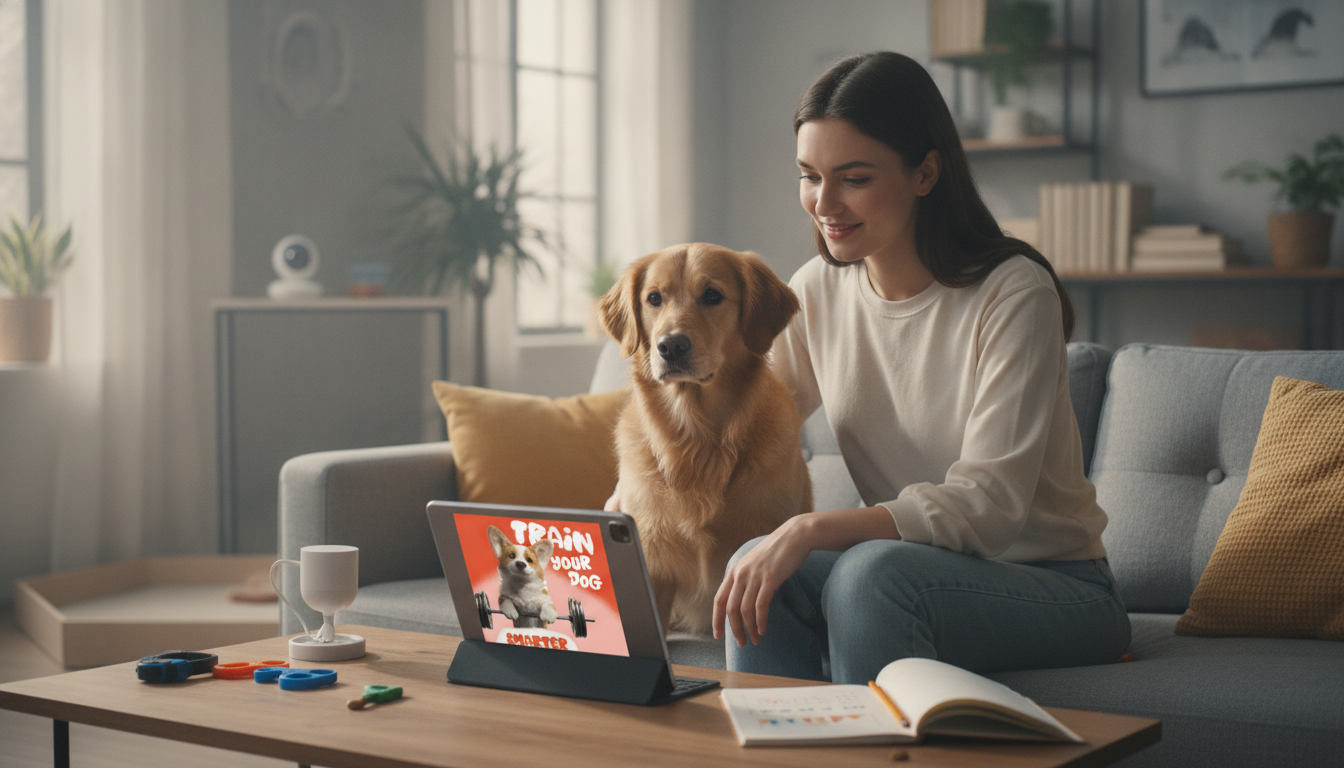
AI can help turn scattered training attempts into a clear, repeatable plan—especially when progress feels inconsistent. Used thoughtfully, it can organize goals, suggest session structure, and track patterns in behavior while keeping safety, humane methods, and real-world context front and center. The strongest results come when AI supports (not replaces) your observation skills, your relationship with your dog, and reward-based training habits you can stick with day after day.
AI is at its best when it acts like a planning assistant: it can help you format sessions, break skills into smaller steps, and keep your notes organized. It’s also handy for brainstorming enrichment ideas, building reminder schedules, and summarizing training logs into trends you can actually use.
Where AI falls short is anything that requires hands-on evaluation: diagnosing medical issues, predicting aggression risk with certainty, replacing an experienced trainer’s timing and setup skills, or guaranteeing outcomes across dogs with different genetics and learning histories. Treat suggestions as hypotheses to test gently, not instructions to follow blindly.
Best results usually come from blending AI-generated structure with reward-based training principles and your dog’s temperament, age, and environment. For humane training guidance, see the American Veterinary Society of Animal Behavior (AVSAB) position statements and the AKC training basics.
Red flags: any advice that recommends intimidation, pain, flooding, prolonged isolation, or ignoring stress signals (whale eye, tucked tail, freezing, frantic panting, repeated lip-licking). If a plan makes your dog look worse, slower, or shut down, scale back immediately.
Good inputs create useful outputs. Before asking AI for a plan, capture a simple profile: age, breed mix (if known), size, health constraints, daily routine, household members, and typical triggers (doorbell, dogs, kids, leash pressure, scooters).
Then define just 1–3 priority goals at a time—enough to matter, not so many that progress gets muddy. Add a ranked list of reinforcers (treats, tug, sniffing, play, praise, access to the yard) so sessions stay motivating even when distractions rise.
Finally, document the starting behavior: how often it happens, how intense it is, and what usually happens right before it. Most dogs learn faster with short sessions (3–8 minutes) repeated 1–4 times daily rather than one long session.
| Profile item | Examples to provide | Why it matters |
|---|---|---|
| Goal | Stop jumping on guests; settle on mat | Keeps the plan focused and measurable |
| Current skill level | Knows sit indoors, struggles outside | Sets the right difficulty and distractions |
| Top rewards | Chicken, tug, sniffing walks | Improves motivation and speed of learning |
| Triggers | Doorbell, fast-moving scooters | Prevents surprise setbacks during practice |
| Constraints | Sensitive stomach; limited stairs | Keeps sessions safe and comfortable |
Clear criteria beats vague intentions. Convert goals into SMART-style targets: the specific behavior, where it happens, and the criteria (distance, duration, distraction). For example: “Walk 20 steps on a quiet sidewalk with a loose leash, taking treats every 2–3 steps, then release to sniff.”
Ask for a 7-day plan that uses short sessions, built-in rest days, and “easy wins” so your dog stays confident. Generalization is the missing piece in many home plans—once a skill is stable, practice in 3–5 locations and with multiple people, but only increase one variable at a time.
Include a fallback path for over-threshold moments. If your dog starts pulling, barking, or can’t take treats, the plan should tell you to increase distance, reduce difficulty, or switch to decompression (sniffing, calm retreat, or a low-pressure pattern game). Update the plan weekly using your logs rather than guessing what happened.
These templates work best when paired with your training profile and a commitment to reward-based, low-stress practice.
Professional help is warranted for biting, repeated lunging, severe separation distress, or escalating fear. Humane training baselines stay the same no matter the tool: reward the behavior you want, prevent rehearsal of unwanted behavior, and keep sessions short and positive. For additional welfare-focused guidance, the RSPCA dog behavior and training advice is a useful reference.
If you want a structured way to turn goals into routines (without complicated tech), the digital guide Paws & Processors: Using AI to Train Your Dog Smarter is designed for everyday pet owners. It focuses on practical steps, repeatable session flow, and tracking methods that can be adjusted as your dog learns.
For walking practice, a comfortable, well-fitting harness can reduce frustration and make it easier to reinforce loose-leash skills before pulling becomes a habit. For small pets, consider the Cute Puppy Dog Cat Harness with Purse and Leash Set for Small Pets as a simple option to support calmer outings while you work your plan.
Yes, when it’s used for planning and tracking while you stick to reward-based methods and skip harsh or risky advice. Get professional help for aggression, biting, or severe fear so safety and welfare stay protected.
Share your dog’s age, routine, triggers, current skill level, top rewards, constraints, and a specific measurable goal. Update the tool with short training logs so the next week’s plan reflects real progress instead of assumptions.
Review weekly, or sooner if your dog is repeatedly struggling. Reducing difficulty, adding distance from triggers, and shortening sessions usually restores momentum before you progress again.











Leave a comment