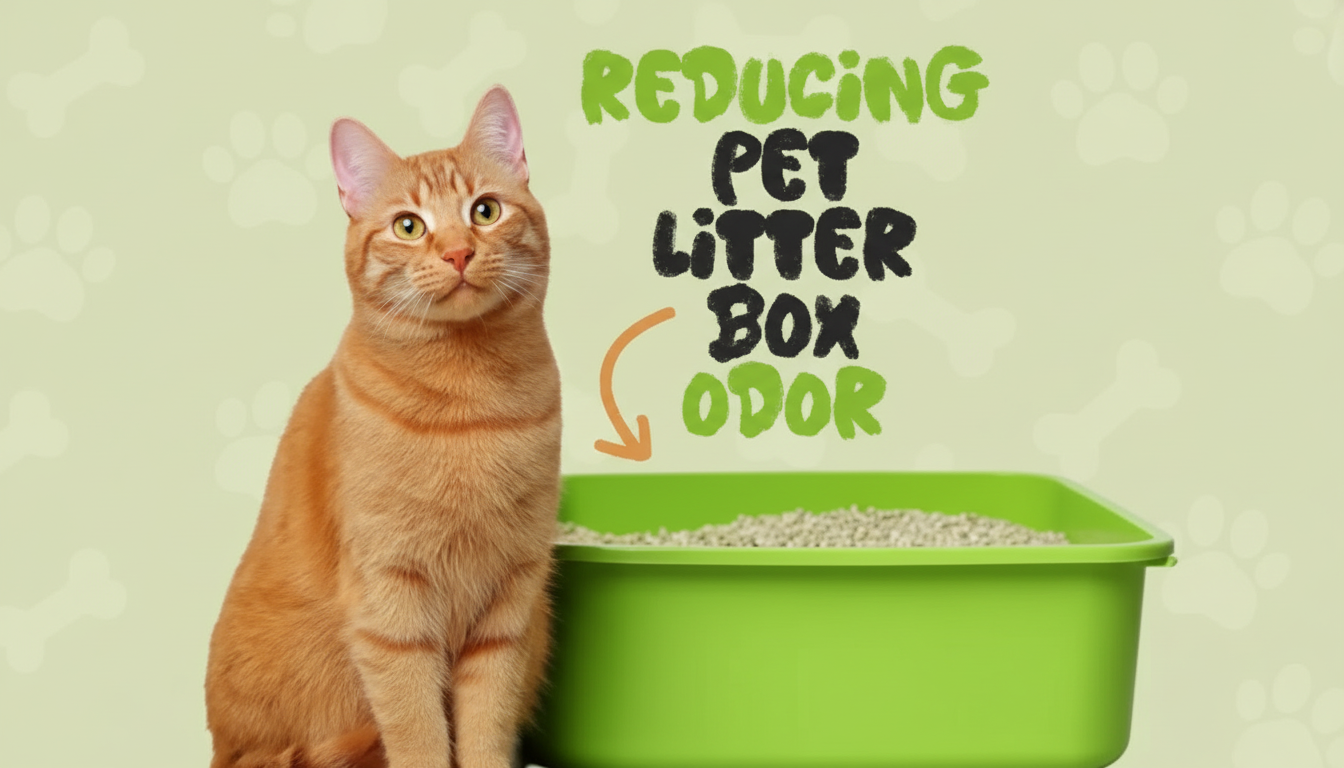
Litter box odor usually comes from a few fixable causes: too little daily removal, the wrong litter for the cat’s output, a box setup that traps humidity, and surfaces that hold on to smell. A simple routine—paired with a few placement and cleaning upgrades—can keep the area noticeably fresher without harsh fragrances.
Most “litter box smell” is a mix of chemistry, moisture, and buildup on surfaces. When urine sits, bacteria break it down and ammonia forms—especially fast in warm, humid rooms. That sharp, nose-stinging odor isn’t a sign that you need stronger perfume; it’s usually a sign that waste is staying in the box too long or that litter isn’t clumping/absorbing efficiently.
Stool odor tends to linger when it sits, and covered boxes can make it worse by trapping humidity and limiting airflow. Another overlooked culprit is the box itself: seams, corners, and scratched plastic can hold a thin biofilm that “wakes up” and smells again after a quick rinse. Finally, if odor intensity changes suddenly, medical factors can play a role—dehydration, diet shifts, GI upset, and urinary issues can all change how strong waste smells. For general feline health guidance, Cornell’s Feline Health Center is a helpful starting point: https://www.vet.cornell.edu/departments-centers-and-institutes/cornell-feline-health-center.
A good setup prevents odor from concentrating in the first place. Start with the box-count rule: one box per cat, plus one extra. More boxes means less traffic per box, fewer saturated spots, and fewer “surprise” accidents that create mystery smells.
Size matters, too. A box should let your cat turn around comfortably and dig without hitting walls. Cramped boxes lead to waste stuck to sides and corners—exactly where odor lingers. If you use a cover, prioritize ventilation and consider removing the door flap; flaps often trap moisture and create a concentrated “odor chamber.”
Placement can make or break freshness. Keep boxes away from heat vents and direct sun (heat boosts odor) and avoid tiny closets unless there’s real airflow. Outside the box, use a textured, grippy mat that catches litter tracking without trapping urine—some soft, fabric-like mats can hold moisture and smell if splashed.
The best odor control comes from absorption plus easy removal, not from strong fragrance. Clumping, low-dust litters make it simpler to remove urine fully—especially the soft “halo” around a clump that sticks to corners. Many litters also include activated carbon or mineral additives that bind odor without masking it.
| Task | How often | Why it helps |
|---|---|---|
| Scoop clumps and stool | 1–2x daily | Stops ammonia and fecal odor from intensifying |
| Stir and level litter | Every 2–3 days | Prevents wet pockets and improves clump formation |
| Add fresh litter to maintain depth | Weekly (or as needed) | Keeps absorption consistent |
| Wash the box with mild soap, rinse, dry | Every 2–4 weeks | Removes residue that reactivates odor |
| Replace the box if scratched or permanently smelly | Every 6–12 months | Scratches hold odor-causing film |
For passive odor support, choose low-scent options like activated carbon or baking soda used appropriately and safely (kept out of reach, and never mixed with cleaners). Vacuum around the area often to remove tracked litter and dander, which can carry odor. Avoid essential oils and strongly scented sprays around cats; some can be irritating or unsafe. ASPCA Animal Poison Control provides guidance on toxic exposures: https://www.aspca.org/pet-care/animal-poison-control/toxic-and-non-toxic-plants.
If litter box odor suddenly becomes intense—or changes character—look beyond cleaning. Strong urine odor can be linked to dehydration or urinary problems, especially if you notice straining, frequent trips, crying in the box, or accidents. Very foul stool, mucus, or chronic diarrhea may point to diet intolerance, parasites, or GI illness and should be discussed with a veterinarian. General pet-care resources from the AVMA can help you know what to watch for: https://www.avma.org/resources/pet-owners/petcare.
Scoop 1–2 times daily, then wash the entire box with mild soap and water every 2–4 weeks. If the plastic is scratched or seems to smell again right after cleaning, replace the box every 6–12 months depending on wear.
Not usually—odor control works best through fast removal and strong absorption, not heavy fragrance. Many cats dislike strong scents, and avoidance can create more odor problems than the litter solves.
Use an enzyme-based pet odor cleaner on affected surfaces, allow the recommended dwell time, and dry thoroughly. Avoid mixing cleaners, and improve ventilation and humidity control so odors don’t linger.










Leave a comment